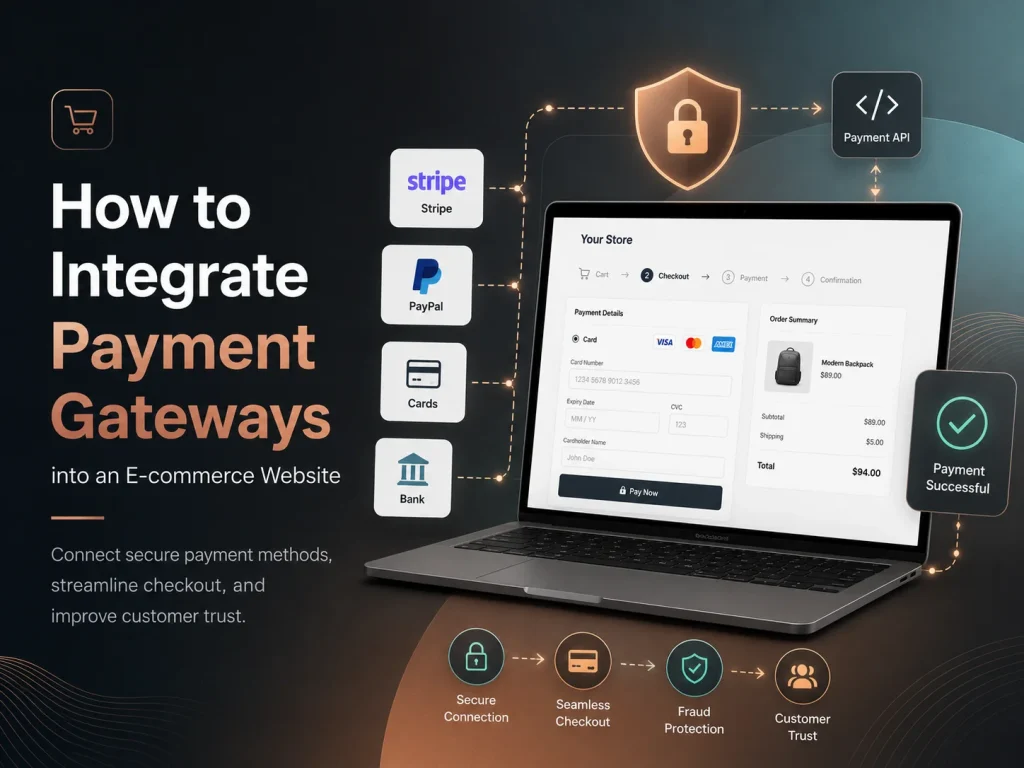
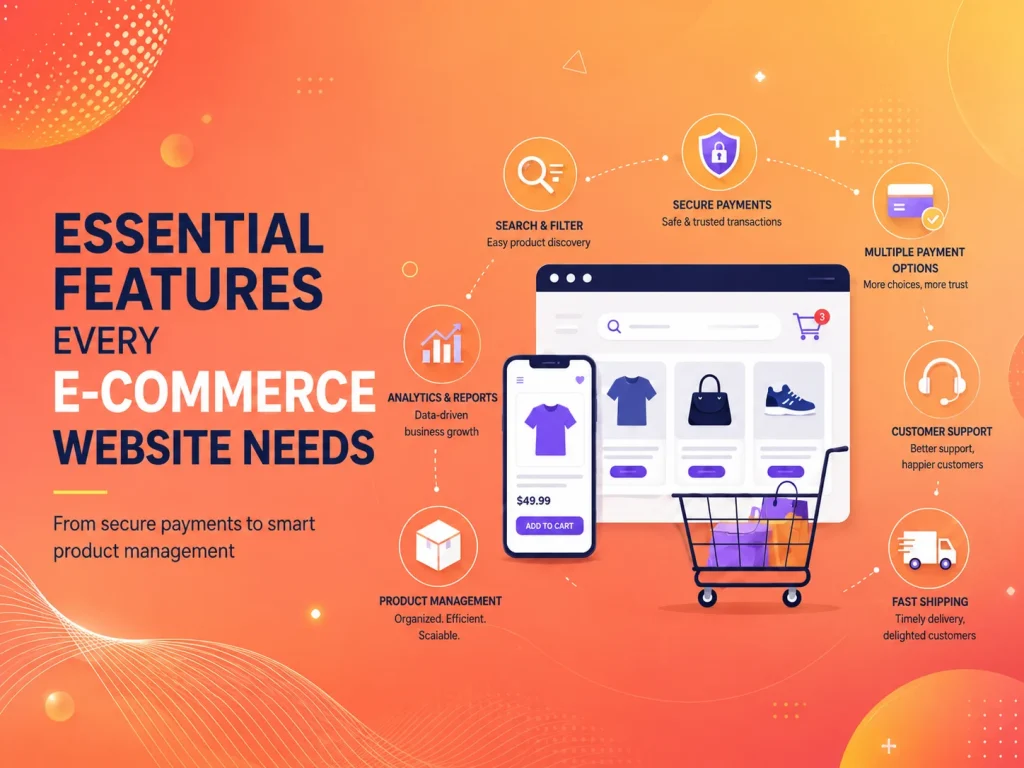
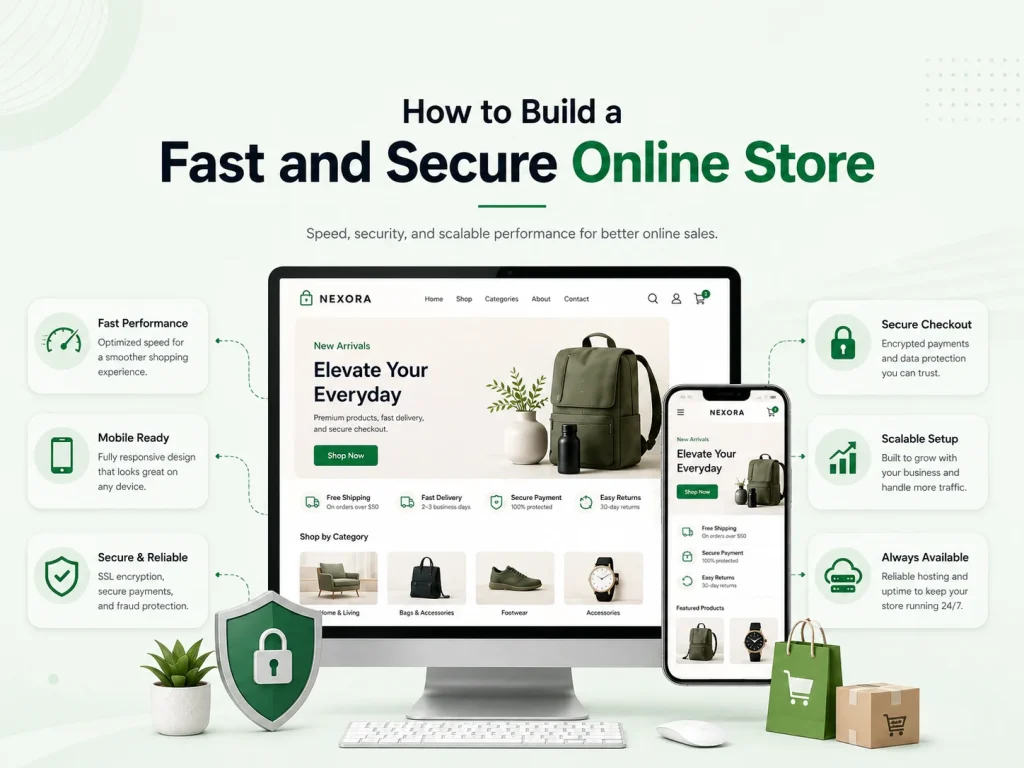
Payment gateway integration is one of the most important parts of building an e-commerce website. Customers need a simple and trustworthy way to complete purchases, while the business needs reliable transaction records, secure payment processing, refund handling, and accurate order updates.
A payment gateway connects the e-commerce website with a payment provider so customers can pay using supported methods such as credit or debit cards, digital wallets, bank-based payments, or other regional options. The website itself should not try to handle sensitive payment information in an unsafe way. Instead, a trusted payment provider manages the sensitive parts of the transaction while the e-commerce system controls the order and customer experience.
Choose a Payment Gateway That Fits Your Business
The first step is selecting a payment provider based on where the business operates, where customers are located, which currencies need to be supported, and what payment methods customers expect.
Popular providers such as Stripe, PayPal, Square, Adyen, and region-specific gateways offer different combinations of payment methods, currencies, settlement options, subscription support, fraud tools, and developer APIs. E-commerce platforms such as WooCommerce and Shopify also support multiple payment providers through built-in integrations or extensions.
Businesses should compare more than transaction fees. Availability in the target country, payout schedules, refund handling, recurring payments, international transactions, fraud protection, reporting, and technical integration requirements can all influence the final choice.
An online store serving one country may only need a few local payment options, while an international e-commerce business may need cards, digital wallets, multiple currencies, and region-specific payment methods.
Understand How the Payment Flow Works
A typical payment begins when the customer completes the cart and moves to checkout. The e-commerce website calculates the order total, including products, discounts, shipping, and applicable taxes. The payment provider then securely collects or processes the customer’s payment details.
After the provider processes the transaction, the website needs to determine whether the payment succeeded, failed, requires additional authentication, or remains pending. The order status should be updated based on verified information from the payment provider rather than simply trusting what the customer’s browser reports.
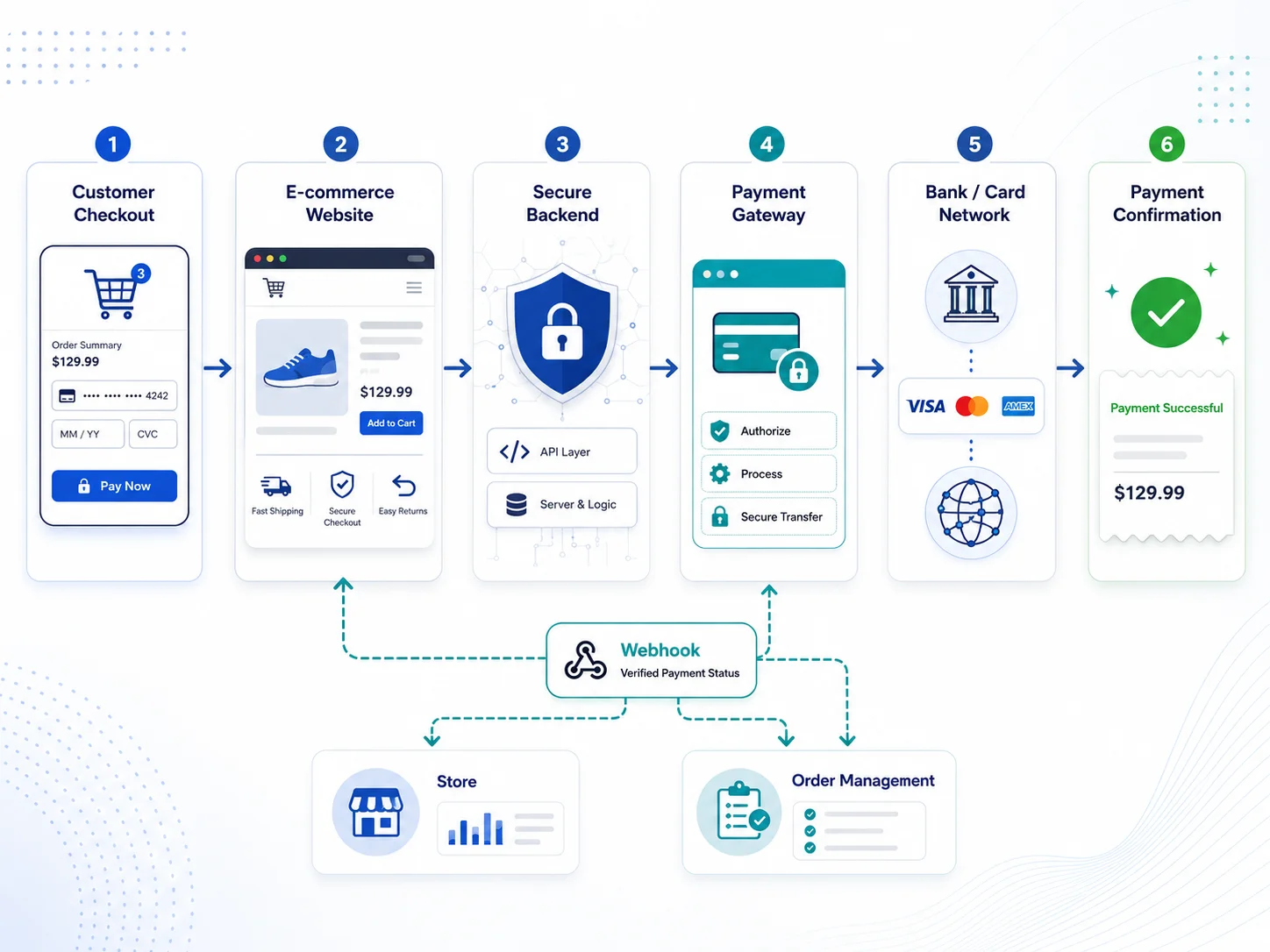
Modern payment integrations commonly use server-to-server notifications or webhooks to confirm important transaction events. This is useful because a customer may close the browser immediately after paying or experience a network interruption before the website receives the final result.
The payment provider can still notify the backend that the transaction succeeded, allowing the e-commerce system to update the order and continue fulfillment correctly.
Connect Payments With the Complete Order Process
Payment integration should not be treated as an isolated checkout button. It needs to work with the entire order-management workflow.
When payment succeeds, the system may need to mark the order as paid, update inventory, send confirmation emails, generate an invoice, notify the store administrator, and begin fulfillment. If payment fails, customers should receive a clear message and an opportunity to try again without accidentally creating several duplicate orders.
Refunds also need proper integration. When a business refunds an order through the payment provider, the e-commerce system should keep a corresponding transaction record so administrators can understand what happened later.
- Payment authorization and confirmation
- Order-status updates
- Inventory adjustment
- Customer confirmation emails
- Failed-payment handling
- Refund and cancellation processing
- Transaction history and reporting
- Subscription or recurring billing where required
Subscription businesses need additional planning because recurring payments continue after the original checkout. The system needs to track subscription status, renewals, failed recurring payments, cancellations, upgrades, and other billing events over time.
Security Should Be Built Into the Integration
Payment security is one of the most important areas of e-commerce development. Private payment credentials and secret API keys should remain protected on the backend rather than being exposed through public browser code.
The website should use HTTPS, validate important requests on the server, and confirm payment events using trusted information from the payment provider. Sensitive transaction decisions should not depend only on values sent by the customer or frontend application.
Developers should also protect webhook endpoints. A webhook should be verified using the mechanism provided by the payment provider so an attacker cannot simply send a fake “payment successful” request and cause an unpaid order to be marked as completed.
The business should avoid storing card information directly unless there is a genuine need and the necessary compliance controls are in place. Hosted payment forms, secure payment elements, tokenization, and provider-managed checkout experiences can reduce the amount of sensitive payment data handled by the website.
Integrate Payments Into Your E-commerce Website
Test More Than Successful Payments
A payment integration is not ready simply because one test transaction succeeds. Developers should also test declined cards, insufficient funds, expired payment methods, duplicate submissions, network failures, abandoned checkout sessions, refunds, and other situations that real customers may experience.
The checkout experience should remain clear throughout these scenarios. Customers need to understand whether they were charged and whether an order was successfully created. Poor error handling can result in customers retrying payments unnecessarily or contacting support because the transaction status is unclear.
Testing is particularly important when payments trigger other systems. An order may update inventory, send information to accounting software, start shipping workflows, award loyalty points, or create access to a digital service. Developers should confirm that these actions only occur when the payment state actually allows them.
Build the Payment Experience Around Your Store
The best payment gateway integration depends on the type of e-commerce business. A simple online store may only need card payments and a digital wallet, while a marketplace may require seller payouts, commissions, refunds, and more complicated financial workflows. A subscription platform will have different requirements again.
Encoder IT Limited provides payment gateway integration and e-commerce development for WooCommerce, Shopify, and custom online stores. Our work can include Stripe, PayPal, custom payment APIs, checkout development, subscription billing, webhook integration, refunds, order automation, and connections with existing business systems.
A strong payment integration should feel simple to the customer even when the system behind it is complex. Secure checkout, reliable backend verification, accurate order updates, clear error handling, and proper refund support create a payment experience that customers can trust and businesses can manage confidently.