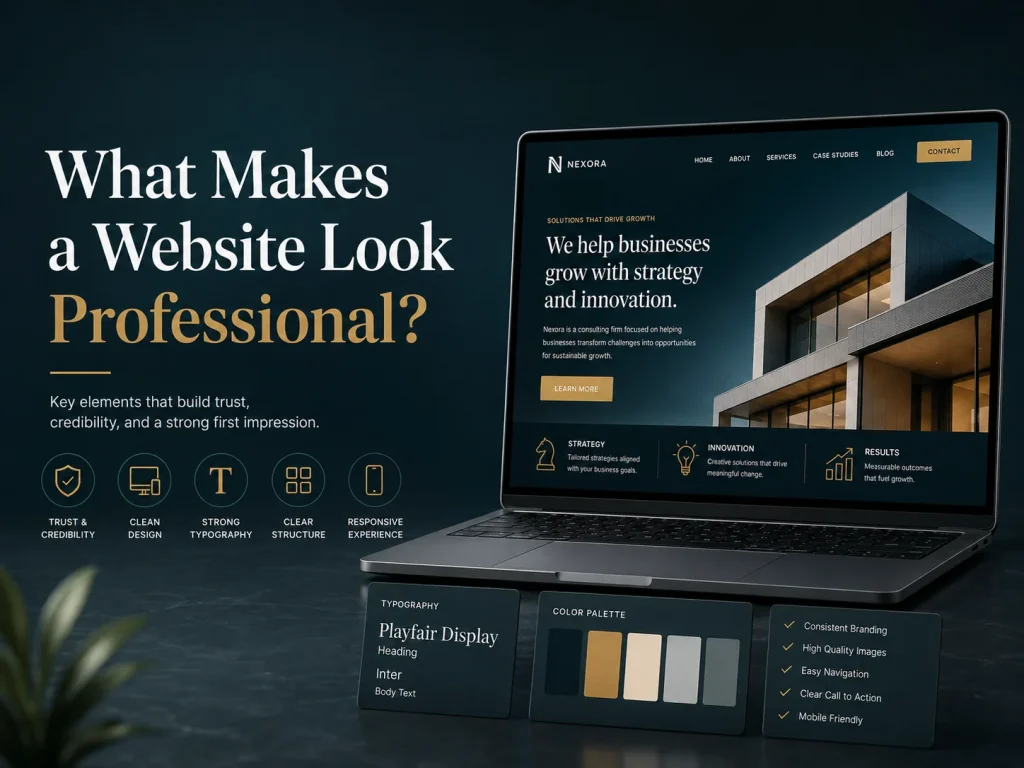
A professional website is not defined by expensive animations, complicated layouts, or large amounts of visual decoration. In most cases, professionalism comes from clarity, consistency, usability, and the way every design element supports the business.
Visitors usually form an impression quickly. They notice whether the website feels organized, whether the company looks trustworthy, whether important information is easy to find, and whether the design works properly on their device. Small details such as spacing, typography, image quality, navigation, and content structure can influence that impression significantly.
Professional Websites Feel Clear and Consistent
Consistency is one of the strongest signs of professional website design. Headings should follow a clear visual hierarchy, buttons should use consistent styles, colors should match the brand, and spacing should feel intentional throughout the website.
If every page uses different button sizes, fonts, colors, or layout patterns, the website can feel unfinished even when the individual sections look attractive. A design system helps prevent this by defining reusable rules for typography, buttons, cards, forms, navigation, spacing, and other common elements.
Professional design also avoids unnecessary visual competition. The visitor should immediately understand what deserves attention. Important headlines, service information, calls to action, and key messages should stand out naturally without every section trying to become the most prominent part of the page.
Typography, Spacing, and Images Make a Bigger Difference Than People Expect
Typography has a major influence on how professional a website feels. Text should be easy to read, headings should clearly separate sections, and font choices should match the personality of the business. Using too many font styles, extremely small text, or inconsistent font weights can make even a good layout feel less polished.
Spacing is equally important. Crowded websites often feel difficult to understand because text, images, buttons, and sections compete for attention. Good spacing gives content room to breathe and helps visitors understand which elements belong together.
Images should also support the quality of the design. Blurry photos, inconsistent illustration styles, stretched logos, or generic images that do not match the business can reduce credibility. Original photography, carefully selected stock images, professional product visuals, or a consistent illustration style can make the website feel more intentional.
Create a More Professional Website
Good User Experience Is Part of Professional Design
A website can look impressive and still feel unprofessional if visitors cannot use it easily. Clear navigation, readable content, fast-loading pages, simple forms, and responsive layouts are all part of the overall design experience.
Visitors should be able to understand what the company does without searching through several pages. Services should be organized logically, contact information should be easy to locate, and important actions such as requesting a quote, booking a service, or purchasing a product should be straightforward.
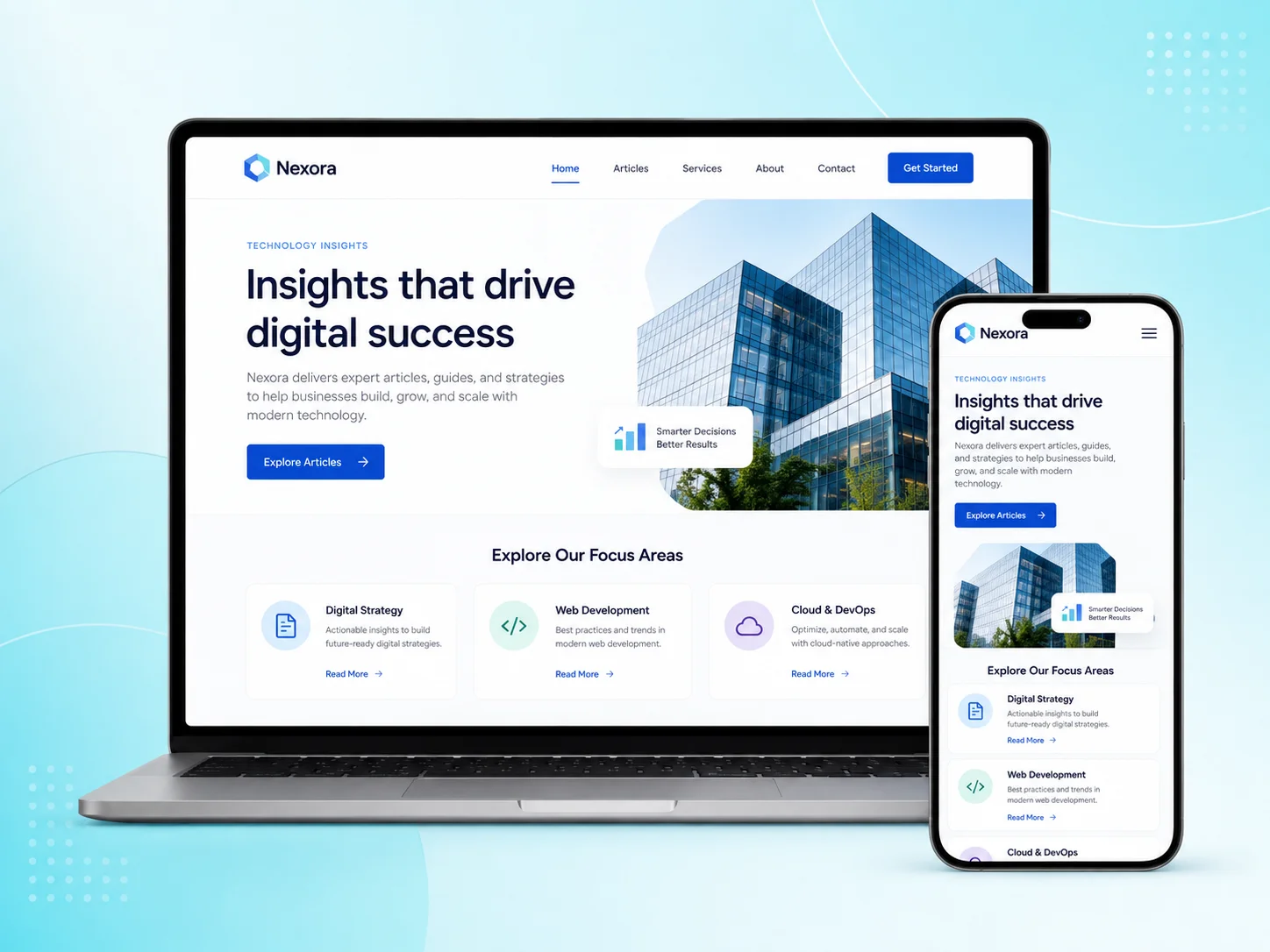
Mobile design is especially important. A professional website should not simply shrink its desktop layout. Menus, forms, buttons, images, and page sections should adapt naturally to smaller screens so users can complete the same important actions comfortably.
- Clear and consistent branding
- Readable typography and strong visual hierarchy
- Balanced spacing and uncluttered layouts
- High-quality, relevant images
- Simple navigation
- Responsive mobile design
- Fast and reliable performance
- Clear calls to action
The website should also feel reliable. Broken links, missing images, forms that do not submit, inconsistent page styles, or outdated information can quickly damage the professional impression created by the visual design.
Professional Design Should Support Trust and Business Goals
A professional website should communicate why visitors can trust the company. Testimonials, case studies, client logos, team information, certifications, project examples, clear contact information, and well-written service pages can all provide useful evidence.
Content quality matters just as much as visual quality. Generic text, spelling errors, outdated information, or unclear service descriptions can make a polished design feel less credible. Strong design gives content structure, but the content still needs to communicate real value.
Businesses should also avoid copying current design trends without considering whether they fit the brand. Large animations, unusual navigation, or highly experimental layouts can work for some companies but create unnecessary confusion for others. Professionalism usually comes from choosing design decisions that fit the audience and business rather than following every new visual trend.
A Professional Website Feels Complete, Not Overdesigned
The most professional websites often appear simple because the complicated decisions have already been resolved behind the scenes. Colors are controlled, typography is consistent, layouts are balanced, interactions behave predictably, and visitors always know what to do next.
Encoder IT Limited provides professional website design and development for businesses that need custom UI/UX, responsive development, WordPress, WooCommerce, e-commerce solutions, custom web development, and ongoing website improvements.
A website looks professional when all of its parts feel connected. Strong branding, thoughtful spacing, clear content, quality visuals, reliable functionality, and a smooth user experience create a much stronger impression than visual effects alone.